

Why Most Bathroom Remodels Fail Seniors — And What No One Talks About
The hard truth: Most bathroom remodels look great on the surface. But for aging adults, they quietly fail where it counts most — at the moment of entry, exit, and daily use. This guide explains exactly why that happens, what the real mistakes are, and what to do instead.
Most people assume a bathroom remodel automatically improves safety. However, that assumption is often wrong. In fact, many renovations make things worse for seniors instead of better. Families spend thousands of dollars trying to upgrade a bathroom — yet they unknowingly create new risks. They focus on style, not function. They follow trends, not real needs. As a result, the remodel looks great but fails where it matters most.
The truth is straightforward: most bathroom remodel mistakes for seniors happen because people plan for today, not for the next five to ten years. Furthermore, they hire general contractors who know tile and fixtures but don't understand how aging adults actually move, balance, and function on a daily basis.
This article breaks down the seven most common mistakes, explains why they happen, and gives you a clear picture of what actually works instead. Whether you're planning ahead for yourself or coordinating a bathroom upgrade for a parent, this is the guide that should have existed before anyone picked up a tile sample.
The Hidden Problem With Standard Bathroom Remodeling
Traditional remodeling focuses on aesthetics. It prioritizes tile, fixtures, and layout symmetry. While those elements matter, they do not address mobility, balance, or long-term usability. Because of that, many homes end up with bathrooms that look modern but function poorly for aging adults.
General contractors are trained to build beautiful rooms. They are not, however, trained to think about what happens when a 74-year-old with mild arthritis in both hips tries to get in and out of the shower twice a day. That is a completely different design challenge — and it requires a completely different approach.
Common outcomes of standard remodels in senior homes:
- Showers with high step-over barriers that increase fall risk daily
- Slippery tile floors that look premium but perform dangerously when wet
- Bathtubs that require climbing over a wall — impossible for many older adults
- Fixtures placed at heights that were never tested for seated or limited-reach users
- No grab bars — or grab bars anchored into drywall instead of studs
These are not minor cosmetic issues. Instead, they create daily friction. Over time, that friction turns into risk — and eventually, into injury.
Designing for Looks Instead of Mobility
One of the biggest issues in an aging-in-place bathroom remodel is prioritizing design over usability. Modern bathrooms often feature clean lines and minimalistic layouts — but these designs frequently ignore how seniors actually move. A sleek glass shower may look beautiful. Yet if it requires stepping over a 6-inch barrier, it becomes dangerous every single day. Mobility always comes before aesthetics in any remodel that's meant to serve aging adults. Otherwise, the remodel fails its core purpose from day one.
Waiting Too Long to Upgrade
Timing plays a critical role. Unfortunately, most families wait until after a fall or injury occurs before making changes. At that point, decisions become reactive. Costs increase significantly. Options become limited. Stress on the family rises quickly. Proactive upgrades, on the other hand, allow for better planning, more thoughtful product selection, and far safer outcomes. According to CDC fall prevention data, millions of older adults experience falls each year — and many of those incidents happen in the bathroom. The time to act is before a fall, not after one.
Underestimating Entry and Exit Risk
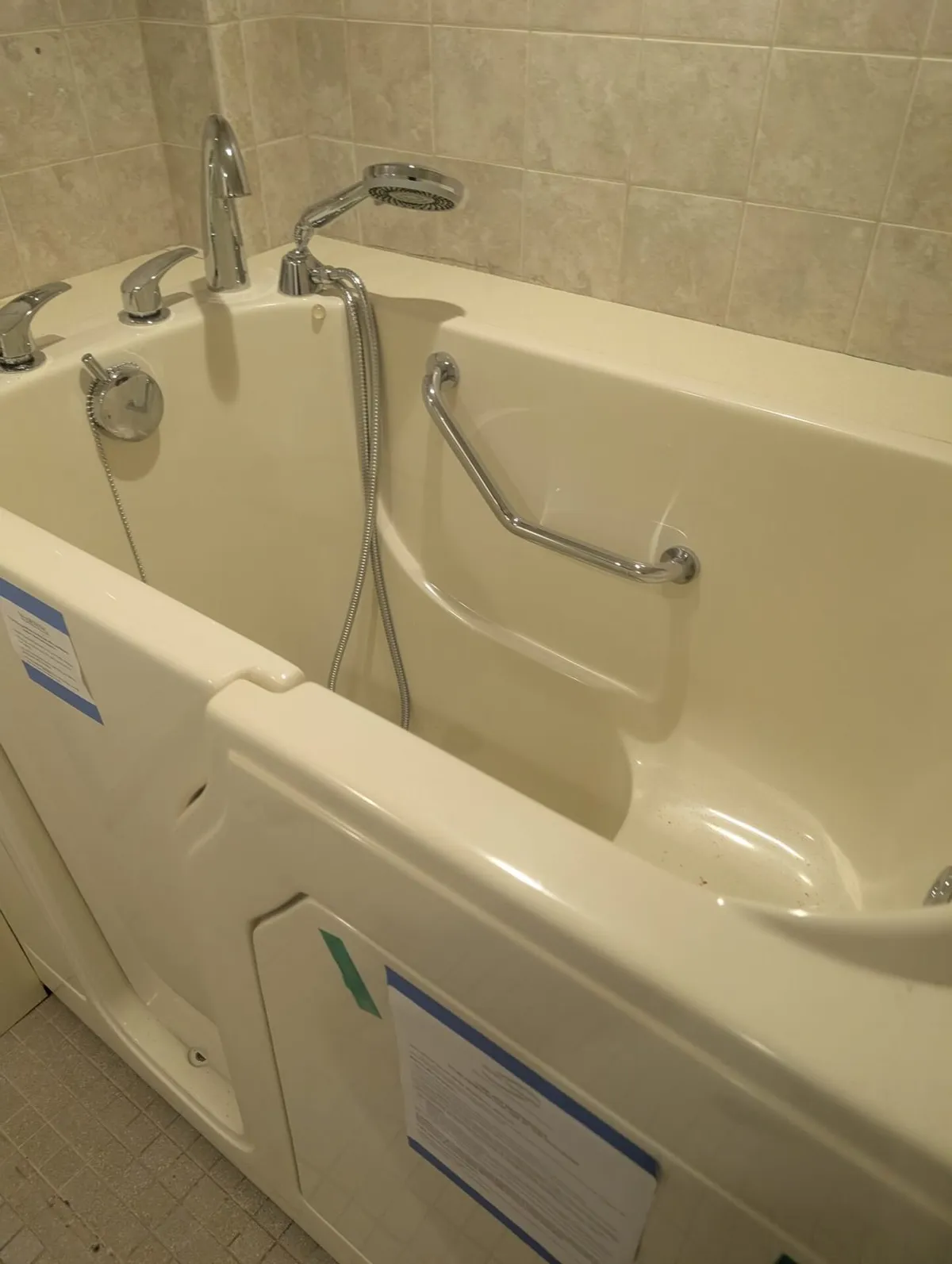
The most dangerous moment in any bathroom is entering or exiting the bathing area — not the bathing itself. Traditional tubs fail here completely. They require lifting a leg up and over a high wall, then lowering the body into the tub, then reversing the process to get out — often on a wet, slippery surface. That movement becomes progressively harder with age, and for many seniors, it's already beyond safe capability. This is precisely where walk-in tubs for seniors and barrier-free roll-in showers change everything. Low or zero thresholds, built-in seating, and strategically placed grab bars eliminate the highest-risk moment of every bath or shower.
Ignoring Long-Term Mobility Needs
Many remodels are designed for current ability levels. However, mobility often changes gradually over time — and it rarely improves. What works comfortably today may not work safely in three years. Therefore, planning ahead is not optional — it's the entire point. A well-designed accessible bathroom adapts over time. It supports independence as needs change instead of becoming a daily obstacle as they do. Consequently, the best accessible bathroom remodels are built not just for where someone is today, but for where they may be in five or ten years.
Choosing the Wrong Shower System
Not all accessible showers are created equal. Many products marketed as "senior-friendly" still have significant design flaws — poor drainage slope, insufficient seating, unsafe entry angles, or grab bars anchored incorrectly. High-quality roll-in showers for elderly users are built with both safety and real-world usability in mind. They allow full wheelchair access, eliminate all barriers, and provide stability and confidence throughout the entire bathing process — not just on paper, but in daily use.
Poor Installation Planning
Even the best product fails with poor installation. Walk-in tubs must be perfectly level or the door seal will leak. Grab bars must anchor into studs or proper blocking — not drywall. Drainage must slope correctly or standing water accumulates. Electrical connections must meet code. These are not beginner-level tasks. That is why professional, factory-certified installation matters so much. Many homeowners don't realize how technically complex these systems are until something goes wrong — and by then, fixing a bad installation can cost more than the original product. Learn more about our professional White Glove installation service that handles every detail from removal through final walkthrough.
Comparing Upfront Costs Without Seeing the Full Picture
People often compare upfront costs only. However, the real cost includes long-term outcomes — not just the initial invoice. A cheaper, generic remodel can lead to expensive consequences later. A fall resulting in hospitalization costs tens of thousands of dollars. Emergency remodels done under time pressure after an injury cost far more than planned ones. When viewed through that lens, accessible bathroom upgrades aren't an expense — they're a long-term investment in safety, independence, and avoidance of far costlier alternatives.
The Real Cost Comparison: Standard vs. Accessible vs. Emergency
When families evaluate bathroom modification options, they often focus solely on the upfront price. However, the full financial picture looks very different when long-term outcomes are factored in.
| Approach | Upfront Cost | Long-Term Risk | Outcome |
|---|---|---|---|
| Standard aesthetic remodel | Lower | High — hazards remain or worsen | Looks good, functions poorly for aging users |
| Planned accessible remodel | Moderate to higher | Low — hazards eliminated proactively | Maximizes safety, independence, and home value |
| Emergency post-fall remodel | Highest — urgency premium applies | Variable — reactive decisions, rushed installs | Stressful, expensive, options limited |
"The bathroom is where independence is won or lost. A well-planned accessible remodel doesn't just help reduce fall risk — it preserves dignity, confidence, and the ability to stay home longer."
The Emotional Side of Bathroom Safety That Nobody Talks About
Beyond the physical safety data, there is a deeply personal dimension to all of this that rarely comes up in product brochures or contractor bids.
Bathroom independence is one of the last forms of true privacy that aging adults hold onto. When a senior can no longer safely manage their own bathing without assistance, something significant shifts — not just practically, but emotionally. Confidence erodes. Dignity takes a hit. The reluctance to ask for help, even when it's needed, can lead to dangerous workarounds and avoided bathing altogether.
On the other hand, the right bathroom upgrade restores something. When a 78-year-old can step safely into a walk-in tub, fill it, use the jets, and get out without a single moment of fear — that matters. When a veteran in a wheelchair can roll directly into a barrier-free shower without needing to transfer — that matters. The upgrade isn't just about preventing a fall statistic. It's about preserving a person's sense of control over their own daily life.
Families who understand this make better decisions. They stop asking "what's the cheapest option?" and start asking "what gives my parent the longest, safer, most independent life in their own home?" Those are very different questions — and they lead to very different outcomes.
What Actually Works: The Principles of a Successful Accessible Bathroom
Successful aging-in-place bathroom remodels follow a fundamentally different approach. They start with function first. They consider long-term needs from the very first design conversation. They prioritize ease of daily use above aesthetic symmetry. And most importantly, they are built around real human behavior — not showroom photography.
- Zero or low-threshold shower entry — eliminating the step-over entirely
- Walk-in tub with a watertight side door — seated bathing without climbing
- Grab bars anchored properly into studs or blocking at user-specific heights
- Built-in or fold-down shower seating for stability and fatigue management
- Slip-resistant flooring — not polished tile that becomes a skating rink when wet
- Handheld shower wand on a height-adjustable bar — usable seated or standing
- Controls positioned within easy reach — no stretching across a wet surface
- Adequate lighting — poorly lit bathrooms are a major underappreciated risk factor
- Widened doorways if wheelchair access may ever be needed
- Professional factory-certified installation — so every specification is met correctly
If you are exploring options, start by reviewing walk-in tub systems designed for both safety and comfort. You can also explore our barrier-free roll-in shower guide for detailed accessible shower options.
A note on grab bar installation: Grab bars installed into drywall without proper stud or blocking anchoring are worse than no grab bars at all — they create a false sense of security that can fail catastrophically under load. Always confirm proper anchoring with any installer.
Final Thoughts: The Right Remodel Is One of the Best Investments a Family Can Make
Most bathroom remodels fail seniors because they solve the wrong problem. They focus on appearance instead of usability. They react to crises instead of preventing them. They optimize for today instead of planning for the next decade.
However, when done correctly — with the right products, the right installation, and a genuine understanding of what aging adults need — a bathroom modification becomes one of the most valuable investments in a home. It improves safety. It supports independence. It reduces the long-term burden on families. And it provides something that no aesthetic remodel ever could: genuine, lasting peace of mind.
The bathroom is the room where independence is won or lost for aging adults. Therefore, it deserves more serious planning than most families give it. Start that planning before a fall happens. Start it with the right questions. And start it with a team that actually understands what's at stake.
Ready to Get It Right the First Time?
Our team provides walk-in tubs, barrier-free roll-in showers, and fully managed White Glove installation nationwide. No pressure. Just straightforward guidance from specialists who do this every day.
Frequently Asked Questions
Related Resources
Aging Safely Baths specializes in walk-in tubs, barrier-free roll-in showers, and accessible bathroom solutions for seniors, veterans, and individuals with mobility challenges. Our team includes factory-certified installation specialists and dedicated customer service representatives serving homeowners nationwide.