

To add walk-in tubs and roll-in showers, start with the product you can install with your current crew, usually a low-threshold or roll-in shower, then add walk-in tubs once you have a supplier with tech support. Check four things before every quote: doorways, water heater, electrical circuit, and floor and drain.
In short: carry a small line you can explain well, do a real site check before you price, sell to the whole family without pressure, and order per job so you never sit on inventory. Funding programs may help your customers, but never promise coverage.
Why these jobs fit a remodeling business
Accessible bathing is remodeling work with a different buyer. The bathroom is the same room you already tear out and rebuild; what changes is the person using it, who may use a walker, a wheelchair or a caregiver, and the family members who help decide. If you already do tub-to-shower conversions, you have most of the skills. The rest is product knowledge and a few site checks that are easy to miss the first time.
These jobs also tend to come with referrals. Families talk to other families, and senior centers, home health agencies, occupational therapists and VA staff all field the same question: who can make this bathroom safe? A contractor who shows up on time and explains options plainly gets remembered.
Which products to carry first
You do not need a showroom. Most dealers start with three or four product types and learn them well. Here is how they compare for a contractor:
| Product | Best for | What makes the job different |
|---|---|---|
| Low-threshold shower | People who can step over a small curb | Closest to a standard tub-to-shower conversion |
| Roll-in shower | Wheelchair users and people who shower seated | Floor and drain work to get the threshold down, a seat, grab bars |
| Walk-in tub | People who want to soak and can sit on a raised seat | Door seal, fill and drain time, water heater size, often a dedicated circuit |
| Transfer tub | Wheelchair users who transfer sideways, with a caregiver | Outward-opening door, clearance beside the tub |
| Commercial ADA shower | Assisted living, clinics, facilities | Dimensions and fixtures to the 2010 ADA Standards when they apply |
One-piece and multi-piece units both exist. Multi-piece units go through narrow doors and are easier on remodels; one-piece units have fewer seams but need a clear path. Our roll-in shower dimensions guide lists sizes model by model.
Site checks before you quote
Most problems on install day trace back to something nobody measured. Check these on the first visit or from customer photos.
1. The path in
Measure every doorway and hallway turn from the truck to the bathroom. Multi-piece showers fit through a 30 inch door; a one-piece unit or a large tub may not. Note stairs and tight turns.
2. The water heater
Walk-in tubs hold more water than a standard tub and the bather is already sitting in it while it fills. Our water heater sizing guide treats a 50-gallon tank as the practical minimum for most walk-in tubs, with larger tubs needing more. Find out before you sell the tub, not after.
3. The electrical
Jetted, air and heated-seat tubs need power. Read the spec sheet for the circuit it calls for, plan for GFCI protection, and bring in a licensed electrician if the work is outside your license. Pull the permit your city requires.
4. The floor and the drain
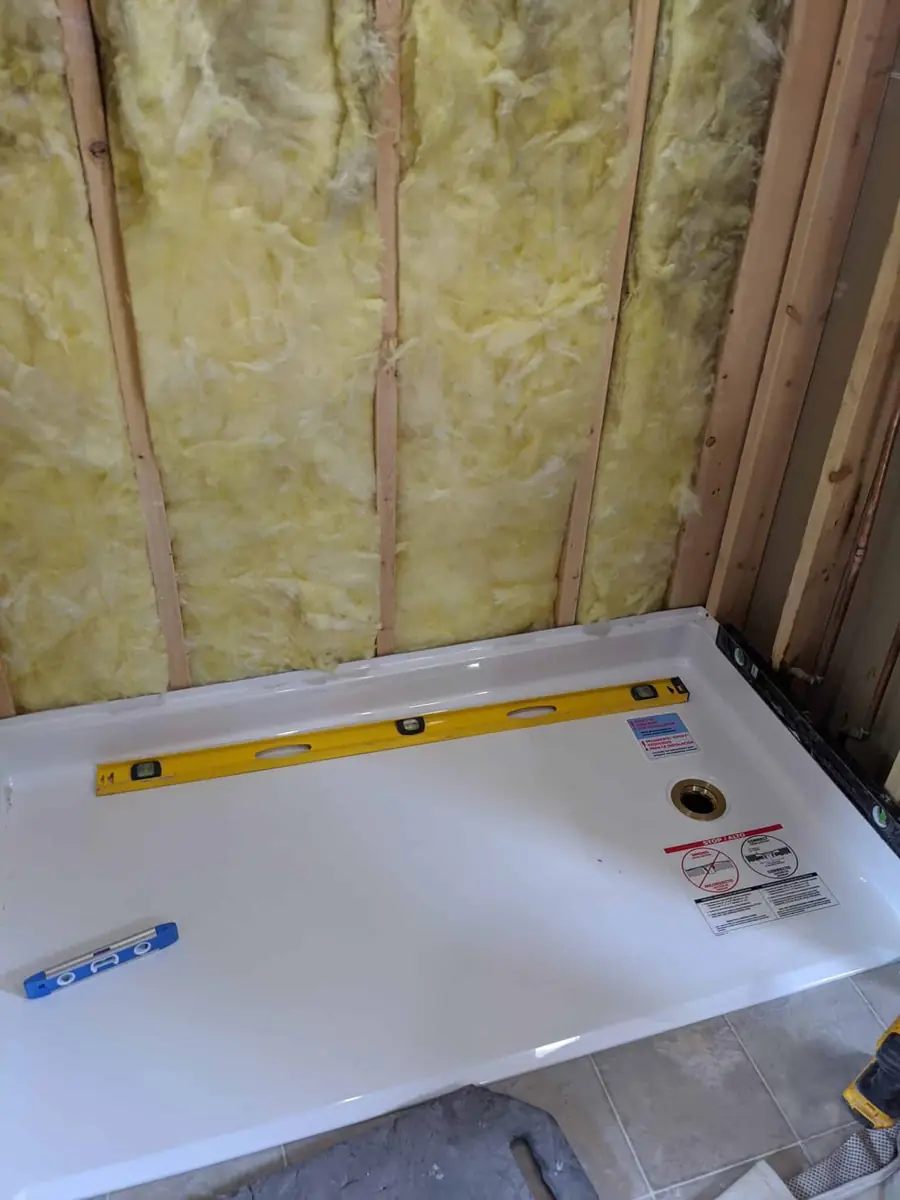
Look at the subfloor, the joists and where the drain sits. Getting a roll-in threshold down often means recessing the pan or building up the floor around it. For commercial jobs covered by the 2010 ADA Standards, a standard roll-in compartment is at least 30 inches wide by 60 inches deep inside, and roll-in thresholds can be no higher than 1/2 inch (U.S. Access Board guide to bathing rooms).
Want product, pricing and tech support behind you? Our dealer program is free to join, with an assigned territory in every state and province.
See the dealer programCall 1-888-779-2284Selling it the right way
The person in the bathroom may not be the one paying, and the one paying may live in another state. Expect two or three conversations, a video call with a son or daughter, and questions about money. A few habits help:
- Ask before you recommend. How do they bathe today? Do they use a walker or wheelchair? Does a caregiver help? Who else lives there?
- Give options. A roll-in shower is often the better choice for someone who cannot step over a tub door or sit on a raised seat. Say so even when the tub is the bigger ticket.
- Itemize the quote. Product, labor, plumbing, electrical, permits, disposal. Families compare quotes line by line, and funding programs often want it itemized anyway.
- No pressure. No "today only" prices. Leave the written quote and let the family decide.
- Be careful with safety claims. No bathing product eliminates the risk of falls. Products are designed to reduce risk when installed and used properly.
Helping customers with funding
Original Medicare generally does not pay for walk-in tubs. Some customers may get help from a Medicare Advantage plan's supplemental benefits, a state Medicaid waiver, a VA grant, or the IRS medical expense deduction. Your job is to point them to the right office and give them the paperwork those offices ask for, usually a written itemized estimate and photos. Never promise a program will pay. Our pages on Medicaid and walk-in tubs and the VA HISA paperwork for contractors go deeper.
Commercial work
Assisted living, nursing homes, clinics and universities buy accessible showers and transfer tubs too. They want a PO-ready itemized quote, product data sheets, a schedule that works around residents, and work that meets the accessibility standards that apply to their building. If you can deliver that, commercial jobs can fill slow months. See what facilities ask for on our commercial page.
Ordering, freight and install day
You do not need to stock units. Order per job, have it drop-shipped to the customer or your shop, and inspect every carton on delivery before the driver leaves. Note damage on the delivery receipt. Most walk-in tub and shower installs take one day in most homes once the site is ready; our install day, hour by hour page walks through the sequence. Install to the manufacturer's spec so the warranty holds, and leave the owner with the warranty card and care instructions.
How a dealer program helps
A good supplier shortens the learning curve: price sheets, spec sheets, freight quotes, someone to call when a drain kit does not match the drawing, and marketing that brings in the first jobs. The Aging Safely Baths dealer program is free to join and adds marketing and custom AI tools as you grow. It is not a franchise and it does not promise leads or income; it gives you product, pricing and support so you can sell these jobs well.
Frequently asked questions
Do I need a special license to install walk-in tubs?
Usually not a special one, but you need whatever your state or city requires for bathroom and plumbing work, and electrical work for jetted tubs may need a licensed electrician and a permit. Check with your local building department.
Should I start with walk-in tubs or roll-in showers?
If you already do tub-to-shower conversions, roll-in and low-threshold showers are the shorter step. Walk-in tubs add a door seal, a heater check and often an electrical circuit, so do your first few with factory tech support on the phone.
Do ADA rules apply to a home bathroom?
The 2010 ADA Standards cover public accommodations and commercial facilities, not private homes. Many homeowners still want ADA-style dimensions, and commercial jobs like assisted living facilities may have to meet them.
Does Medicare pay for walk-in tubs?
Original Medicare generally does not pay for walk-in tubs. Medicare Advantage plans, Medicaid waivers, VA grants and the IRS medical expense deduction may help some customers. Help them check; never promise coverage.
Ready to add accessible bathing to your jobs? Apply for a territory in three minutes, or call and talk it through.
Apply for a territoryCall 1-888-779-2284Sources
- U.S. Access Board, Guide to the ADA Standards, Chapter 6: Bathing Rooms (sections 608.2.2 and 608.7), checked November 22, 2026: https://www.access-board.gov/ada/guides/chapter-6-bathing-rooms/
- Aging Safely Baths, What Size Water Heater for a Walk In Tub: /what-size-water-heater-for-a-walk-in-tub/
- Aging Safely Baths, Roll In Shower Dimensions: /roll-in-shower-dimensions/